Reception
Welcome to Reception
At Brambles Primary Academy, we are READY, RESPECTFUL and SAFE.
Welcome to Reception!
On this page you’ll find out all about the exciting things we’ll be getting up to in Reception, what learning looks like in Reception and the topics we will be learning about.
We will also give you lots of ideas and information in regards to what you can do at home to help support your child’s learning.
Reception Team
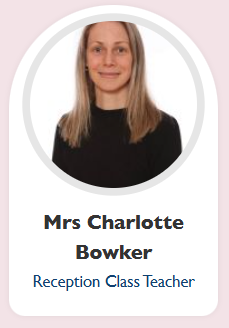
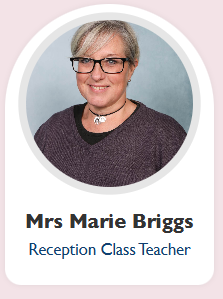
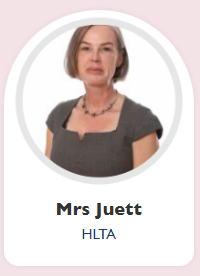
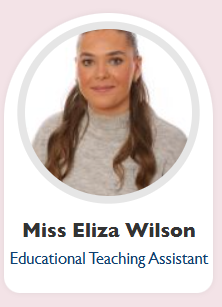
Important Information
The School Day
The gates will open from 8:30am. The class register will be taken at 8:45am and learning will begin immediately after this. It is vital that pupils are on time to school so that they do not miss any important learning.
Pupils should bring to school each day:
- Their book bag
- A water bottle
- Suitable clothing for the weather to ensure they are comfortable during outdoor break times
- A packed lunch (if required)
Please ensure all items are clearly named.
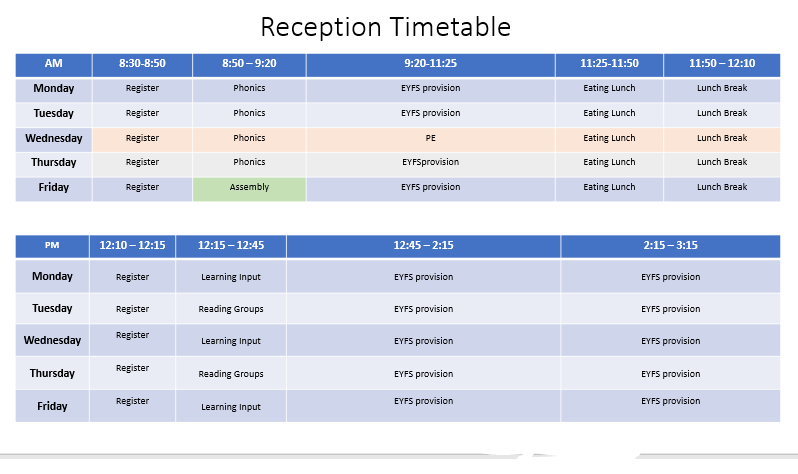
Pupils are to be collected from school at 3:15pm
P.E will take place on Wednesday
Please click here for details of PE kit and school uniform
Reception Timetable
Key Dates
Tuesday 1st September - Inset Day
Wednesday 2nd September - Children return to school - 8.45am – 11.30am
Thursday 3rd September - 8.45am – 1.00pm (lunch included)
Friday 4th September - 8:45am - 3:15pm
Friday 2nd October - Inset Day
Friday 23rd October - Last Day of Term
What will we be learning in Reception?
Topic Overview - Autumn 1
In Autumn 1, the children will begin to learn about themselves and others. This introductory topic will allow the children to explore their own independence, how they are similar and different to one another, their likes and dislikes and the school rules and routines through a range of relevant texts and activities.
Personal, Social and Emotional Development
We will begin to get to know our friends and teachers through lots of circle time activities and games. We will learn to talk about our feelings and play collaboratively with our peers to enable us to from great relationships. We will also think about how to keep our bodies healthy.
Communication and Language
We will learn to communicate effectively with our peers and teachers. Through lots of story telling, class discussions, games and circle time activities, we will build confidence when speaking in a group and learn how to share our ideas with others and listen to our friends.
Physical Development
In physical development we will explore how our bodies can move in different ways through balance and coordination games in PE. We will also engage in a range of fine motor activities to help us hold a pencil correctly and develop our pencil control.
Literacy
In literacy, we will use a range of key texts to introduce our topic. The children will begin to write simple words and labels using early phonics.
Mathematics
In Maths, we will begin to explore pattern and shape and numbers. We will use a range of activities and resources to become familiar with early mathematical experiences and use daily Maths sessions to learn the days of the week, months of the year, seasons, shape, pattern and early number.
Understanding the World
We will begin to explore the world around us through a range of key texts in relation to our topic. We will learn about different families, homes and traditions and explore how we are all unique. We will learn about where we live and our local area. We will also learn how things change over time and look at how the children change as they grow.
Expressive Arts and Design
In art and design, we will learn to safely use and explore a variety of tools, techniques and materials and experiment with colour, materials and textures. We will begin to express ourselves through songs, rhymes, dance and role play activities.
Phonics
Little Wandle Letters and Sounds Revised is our phonics programme used in school. Right from the start of Reception, children will have a daily phonics lesson which follows the progression for Little Wandle Letters and Sounds and this continues in Year One and Year Two to ensure children become fluent readers.
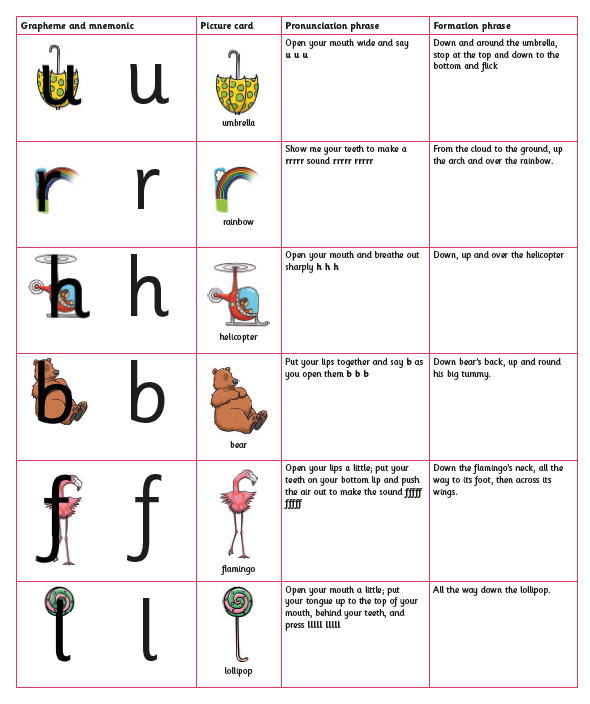
In Reception, we build from 10-minute lessons, with additional daily oral blending games, to the full-length lesson as quickly as possible. In the first few weeks of school we will be focusing on Phase 1 Phonics which focuses on developing children's listening and speaking skills, crucial for later reading and writing. We will then begin to introduce the Phase 2 phonemes/graphemes. Four new phonemes and their corresponding graphemes are taught (GPCs) each week and they are then used in the final lesson of the week to review the week’s learning. Children will also learn tricky words during these sessions.
Phonics Overview:
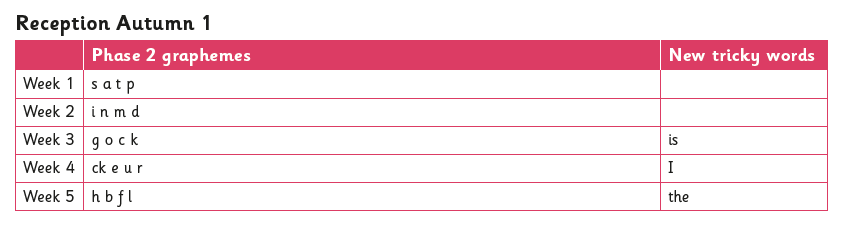
Autumn 1 - Phase 2 Sounds
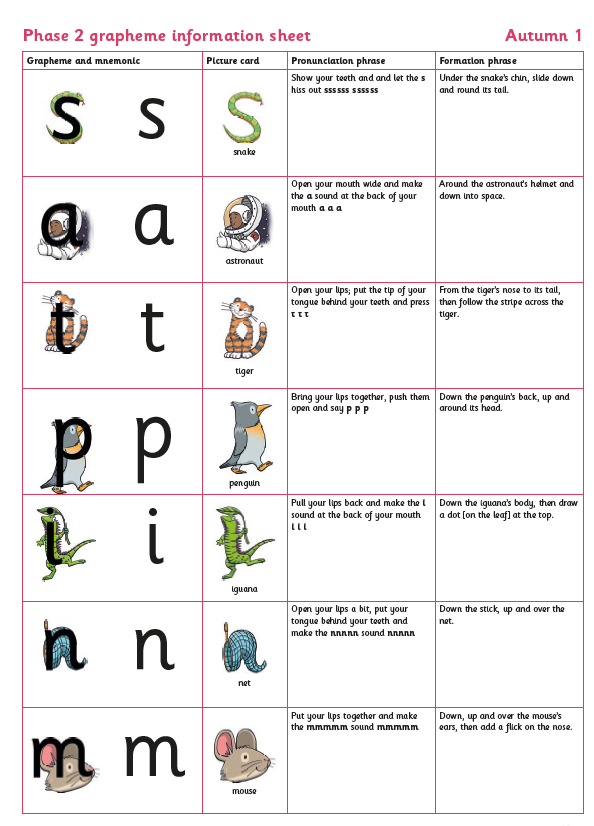

Support for Parents:

Literacy Core Texts for Autumn 1

Author of the Half Term - Tom Percival
Our Author for Autumn 1 is Tom Percival
Tom Percival is a British author, illustrator, and musician renowned for his contributions to children’s literature. He writes and illustrates picture books. Percival’s work often explores themes of emotional growth, social connections, and community.
We will be focusing on his acclaimed Big Bright Feelings series including:


These books aim to help children understand and manage their emotions.
Links to try at home
|
Little Wandle Letters and Sounds |
Reading - E-Library |
|
|
|
|
Go Noodle |
|
Maths Games
|
Maths Games |
Go Noodle |






Communication


Facebook Feed